

When I was seven years old, the one thing I wanted most in this world was a Lunchable.
There. On the deli aisle. Sick yellow, soggy cardboard, questionably resilient shelf life, contents overprocessed to the moon and back—positively perfect.
“Just a single deep-dish pizza kit,” I whined, skinny arms flailing skyward. Strip lines and refrigerator mist blinked down at me, alluring, tortuous. “It’s only two dollars. Māmā, please!”
Eventually, my mother surrendered. It was the happiest day of my life. In the cafeteria, with militant haste, my homemade pork dumplings and red-bean porridge became displaced by the all-American glory of off-brand Oreos and make-it-yourself ham-and-cracker sandwiches. At long last, my lunches were normal. At long last, I was normal.
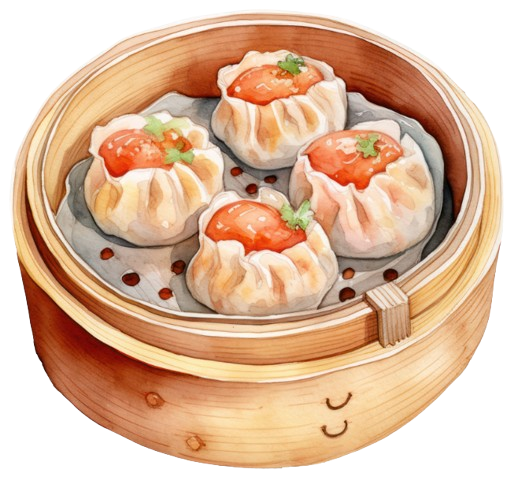
An absolute success! Gone were the days of classmates sneering at my lunchbag full of steamed shāomài buns, which my mother had stayed up until midnight painstakingly wrapping; gone were the cries of ew, that stinks! and oh. My. Gosh. Is that dog meat? Because it looks like you’re eating dog meat.
Today, it feels like my childhood script has been completely flipped on its head. On my Instagram feed, influencers hawk Korean beauty products and vegetarian gyoza recipes; boba milk tea and sugar-choked tánghúlu are all the rage; k-pop and k-dramas seem practically mainstream; matcha is being condemned as too trendy, nothing more than an iced, hip prop for the “performative males” of the world.
Possibly lending itself to this whirlwind phenomenon, the 2025 animated film K-Pop Demon Hunters (KPDH) has achieved astounding commercial success in recent months. Seven years in the making, the smash-hit movie follows Rumi, Mira, and Zoey, members of the Korean-pop girl group Huntrix, as they navigate double lives as demon hunters that use music to banish soul-sucking monsters from the human realm. KPDH is now the most-watched original title in Netflix history, totaling 325 million global views and topping the Billboard Hot 100 with its formidable original score.
The movie overflows with undeniably Asian roots. Director Maggie Kang set out to make a film intertwined with her Korean heritage, drawing upon cultural mythology, demonology, and music to create the story; even the movie’s animation style pays homage to popular Japanese animation styles. But as local high school colorguard teams wave their flags to “Golden,” KPDH’s flagship song, and thousands of kids dress up as Rumi for Halloween, I can’t help but think—this film would have been laughed out of the country when I was seven years old.
Overwhelmingly, I’m really just absolutely thrilled to witness my culture—and the diverse cultures of legion Asian communities—receive so much love and recognition from around the world. Sometimes, though, it feels like the jump from contemptuous mockery to viral adoration has been neckbreaking. In the rush to capture the latest trendy item and capitalize on the newest hit food, so much is left behind: the hefty, powerful millennia of history and tradition that linger behind every viral commodity; the long decades of scorn and stigma that once surrounded the same products and traditions our country now adores.
Pick a side! I occasionally feel like screaming. You can’t just go from hater to #1 glazer! I almost get a sense of a cultural gap—a gap where accountability, apology, and awareness ought to live—that lingers between my childhood and the present day. It stings, once in a while; the way that, once popular attitude toward Asian things underwent a sea change from disgust to fascination, countless followed the trend without thought for the pain they’ve left behind. As if a youth marked by cafeteria jeers and Lunchable dreams could be erased so easily.
But my memories of my childhood aren’t going away anytime soon. And matcha has never just been a viral, oversaturated drink; its preparation is a spiritual and ceremonial tradition that arose centuries ago during the Japanese Muromachi period. Tánghúlu is more than a trendy summer snack; it’s a Chinese cuisine that’s been around since the thousand-year-old Song dynasty. K-Pop Demon Hunters is so much greater than a silly, colorful kids’ movie. It’s a vibrant anthem of ancient culture and modern voices, resounding across the world.
It’s haunting, in a way, how different things are now. But I’m still very much convinced that it’s a good kind of different. A kind of different that gestures toward a brighter, happier, more unified society. Nevertheless, I would really, really love it if the world could take a moment to think—to see beyond the rapid-fire trends and social media dazzle, and finally tip its hat toward the legacy of pain and culture that brought us to this moment.
In doing so, I hope we can both address the past and build toward a future where that past will never be repeated.
(Deep Dish Pizza Lunchables are still my favorite out of the bunch, by the way.)