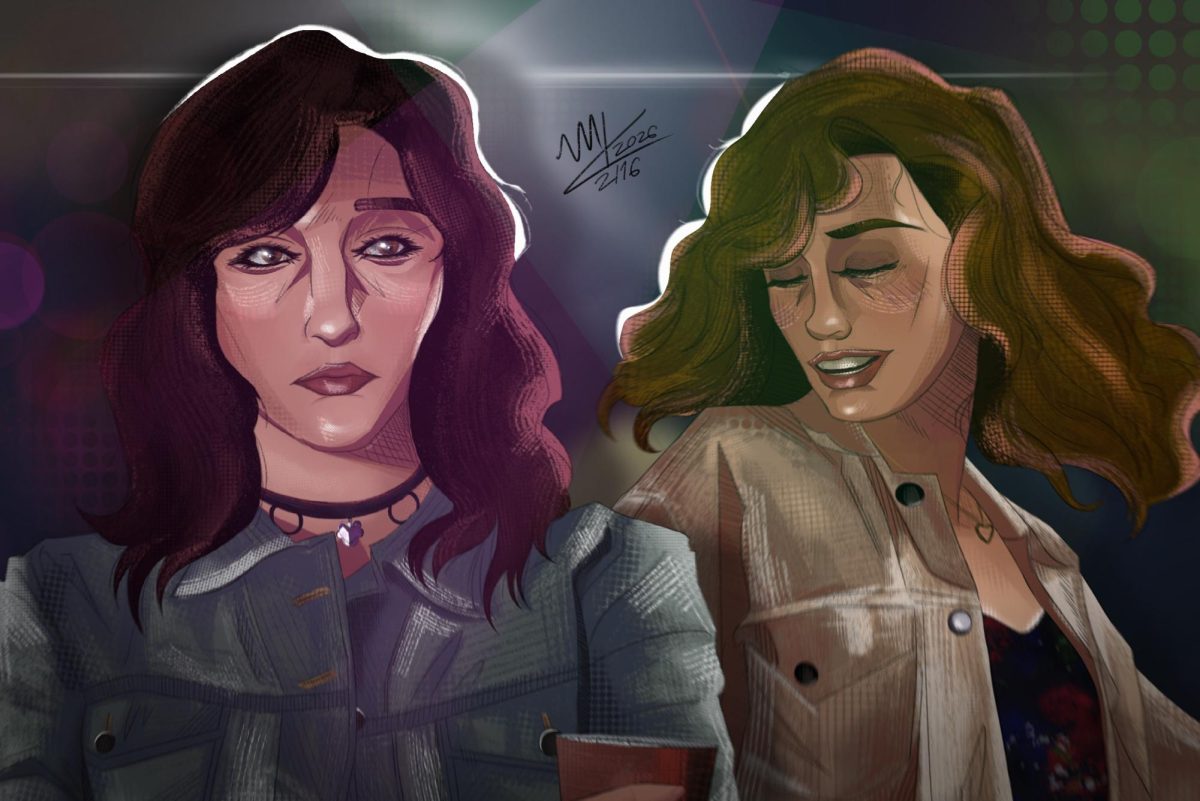


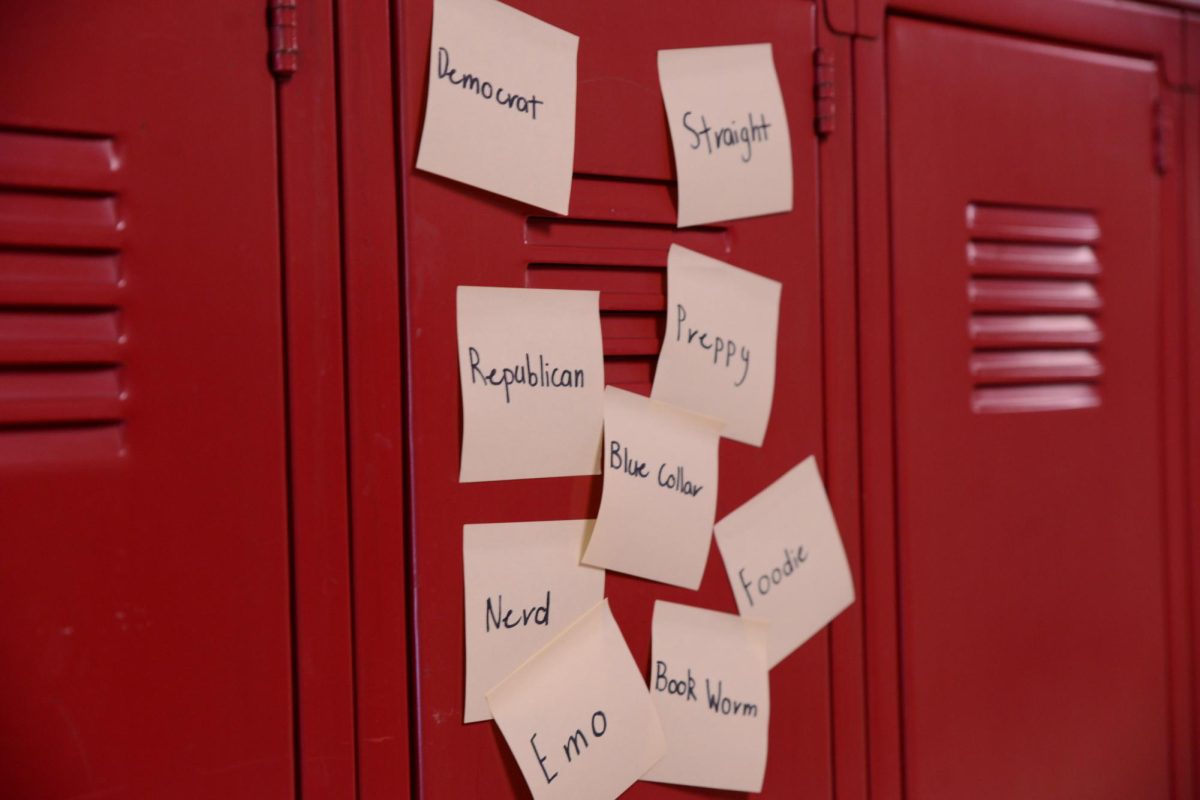
As a person who dresses alternatively, I can’t begin to tell you how many times I’ve been asked to describe my style in a single word, or to label myself as “goth” or “emo”. I’ve always struggled with answering that question just simply because it waters down the complexity of who I am as a person. Labels are used to describe everyone as something, whether that be “straight”, “Democrat”, or even “nerd”. These labels used to provide a mental shortcut so people can easily understand one another, and, while these can have some benefits, labeling people on everything they are is not healthy for anyone.
Psychologists are able to create new diagnoses to label people since mental health is no longer seen as a taboo subject. These labels can create a sense of understanding for the one being diagnosed and their loved ones. However, the more widespread these labels have become, the more people self-diagnose and make these diagnoses lose their meaning.
How many times have you heard someone describe someone else as a narcissist? Terms such as this have been thrown around to label people without any consequences. According to Psychology Today, the truth is that only one percent of the population truly has Narcissistic Personality Disorder,. People use these terms to describe others who may seem self-absorbed or just different from others. Throwing these labels around so easily can create a mindset that discourages people from having deep conversations with one another because a label can explain everything. Using these labels can create a disconnect among people and create loneliness from a lack of discussion.
Beyond psychological labels, political labels are seen everywhere in society. Terms such as “liberal sissy” and “flyover state” are seen all over social media. Although these labels are [often?] used in a lighthearted way, they are still condescending to people with opposing political views. Besides the condescending jokes, typical political labels do not fully encapsulate all political views. Is a Republican still a Republican if they’re against the Second Amendment, and is a Democrat still a Democrat if they’re pro-life? I’ve met countless amounts of people who will begin to describe themselves politically as one term they most identify with, then explain how they differ from that term in their beliefs. That being said, The Gustavian Weekly writes that if a Democrat or Republican meets someone of the opposite political spectrum, they are likely to only view that person in a lower way because of their opposing political beliefs. These label-based shortcuts create a lack of understanding among people and encourage people to water down their views on others to just whether or not they follow their political viewpoints.
Outside of these technical labels, regular labels also discourage people from seeing the full versions of someone else. As I said earlier, I am a person who enjoys the alternative subcultures that include topics such as politics, fashion, and media. Because of this, one could easily label me as an alternative person. But where in this label does my love for 2000s chick-flics fit in? Or my appreciation for jazz and pale bubblegum pink? The “alternative” label does not fully encapsulate who I am as a person. In the same way, labels such as jocks, nerds, preppy, etc. don’t show the full side of everyone.
While labels can help people understand others, they act as more of a hindrance in that they doesn’t show the full spectrum of who we are as people and can create loneliness.