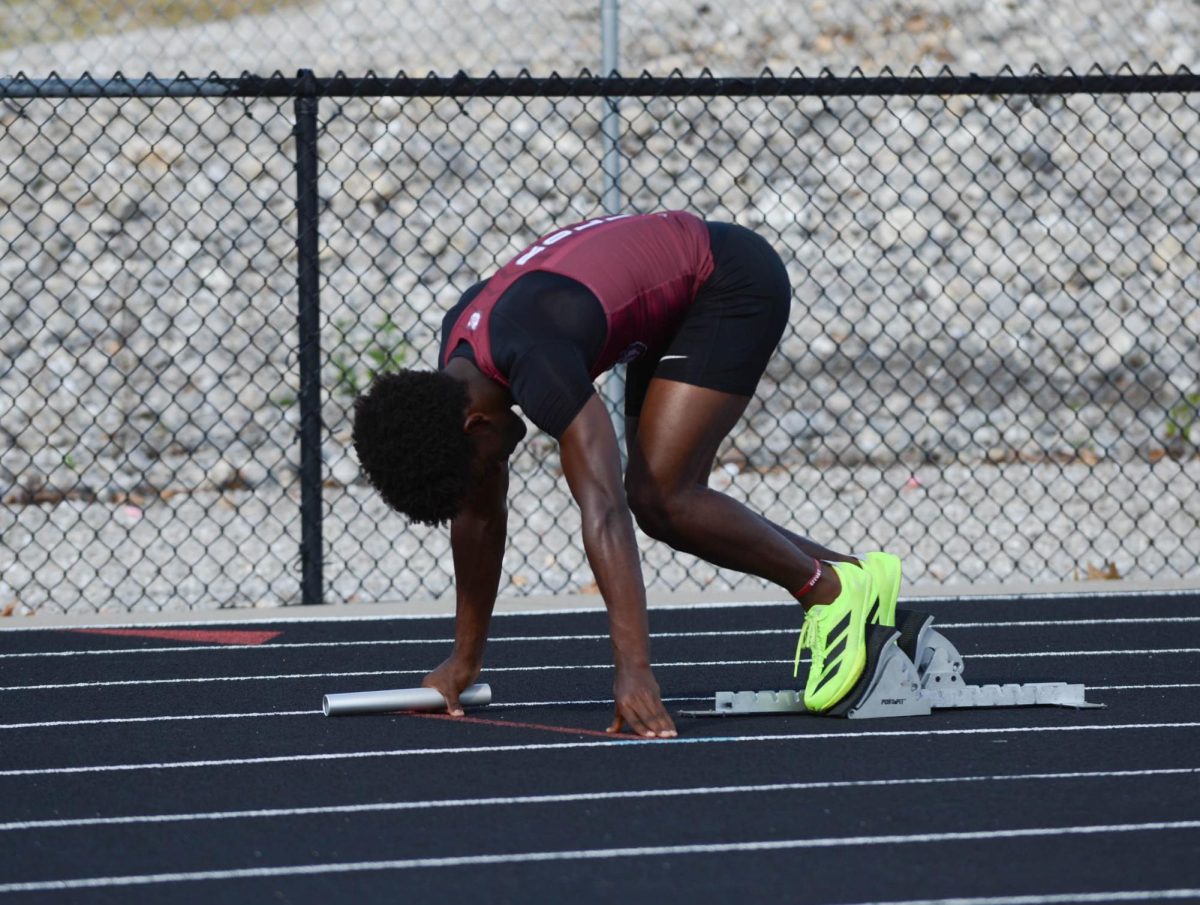



Everyone knows that track season is a very chaotic and challenging time of the school year. Athletes can be found running around the school on cold and stormy days, waiting for their buses on meet days, and scrambling around the track after school. Every season is different, with new athletes coming in, and experienced athletes signing off. But this year particularly stood out to some people. Why? Well, this year the track team’s demographic has been a little bit different than it has been in previous years. Many people have commented that they think that the track team is smaller this year. But in fact, its not. What is different, though, is that the track team is predominantly underclassman this season.
According to track coach Cody Sneed, the reason for this is a combination of factors.
“Upperclassmen limit themselves to other primary sports or other interests that they have. Jobs, other activities, senioritis, and college stress,” Sneed said.
But the upper-to-lowerclassman ratio isn’t the only thing that sets track apart from other sports.
“I would say that the easy one is that there are more boys than girls. Other than demographics of genders, another one is that there is sometimes a lower SES of athletes. Because it is a very cheap and broad sport, so there isn’t much of a financial commitment, and you don’t need money to run,” Sneed said.
Other sports can often demand a larger financial commitment to the game than track does. Things like gloves, bats, knee pads, and shin guards are all financial responsibilities that the individual athlete is required to have when competing. But track doesn’t have any of those requirements. While all sports leave room for spending money, track included, most sports don’t make it optional in the way that track does.
Track and Field is vastly different from most other sports for many reasons. There are multiple demographical and financial differences that set track and field apart from numerous other sports. But there are also differences in the athletes and the mindsets of the game. Some people do track just for the health benefits.
“[Some] athletes are scared to put themselves out there, so relays are good options for them as well,” Sneed said.
But track and field isn’t just for the super fast runners and popular kids’ it’s for all different types of people. Sneed also had something to say about the inclusivity of track.
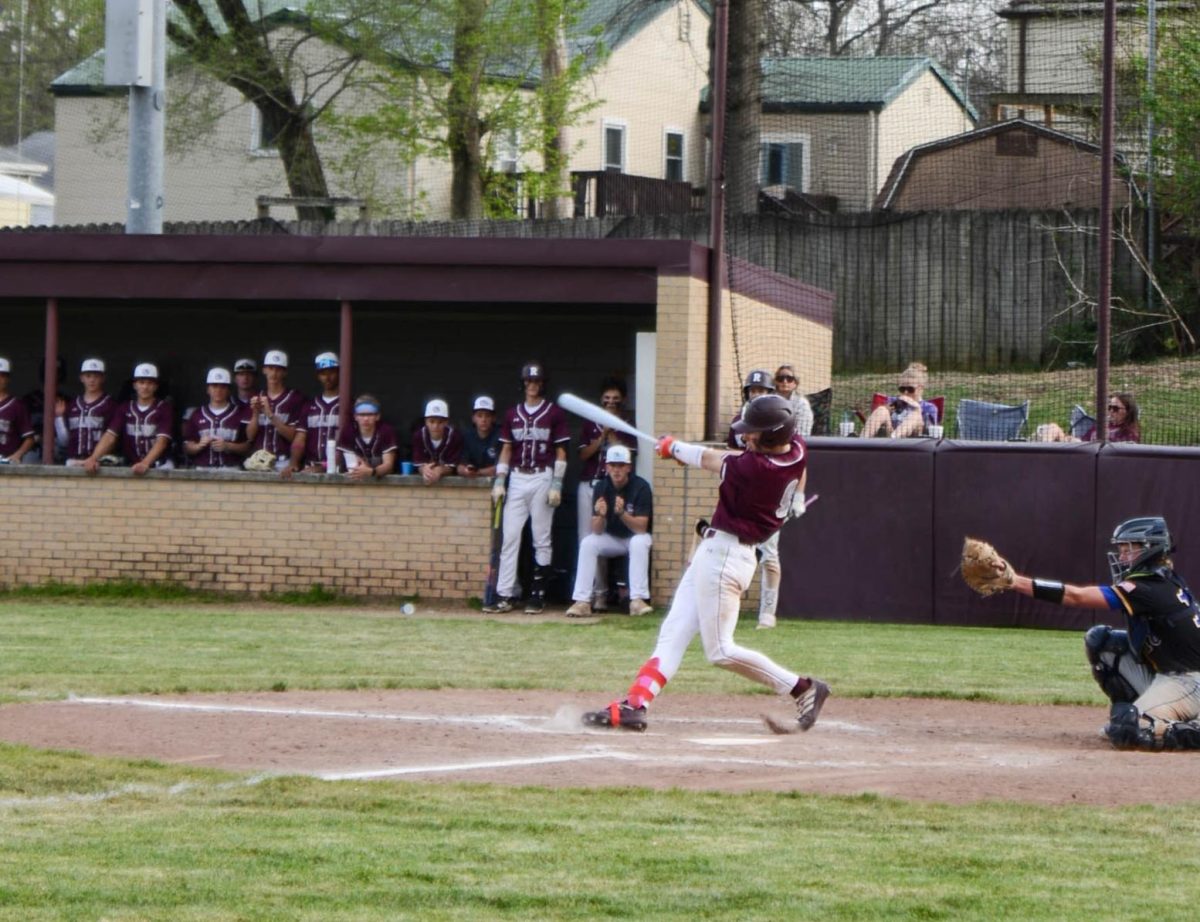
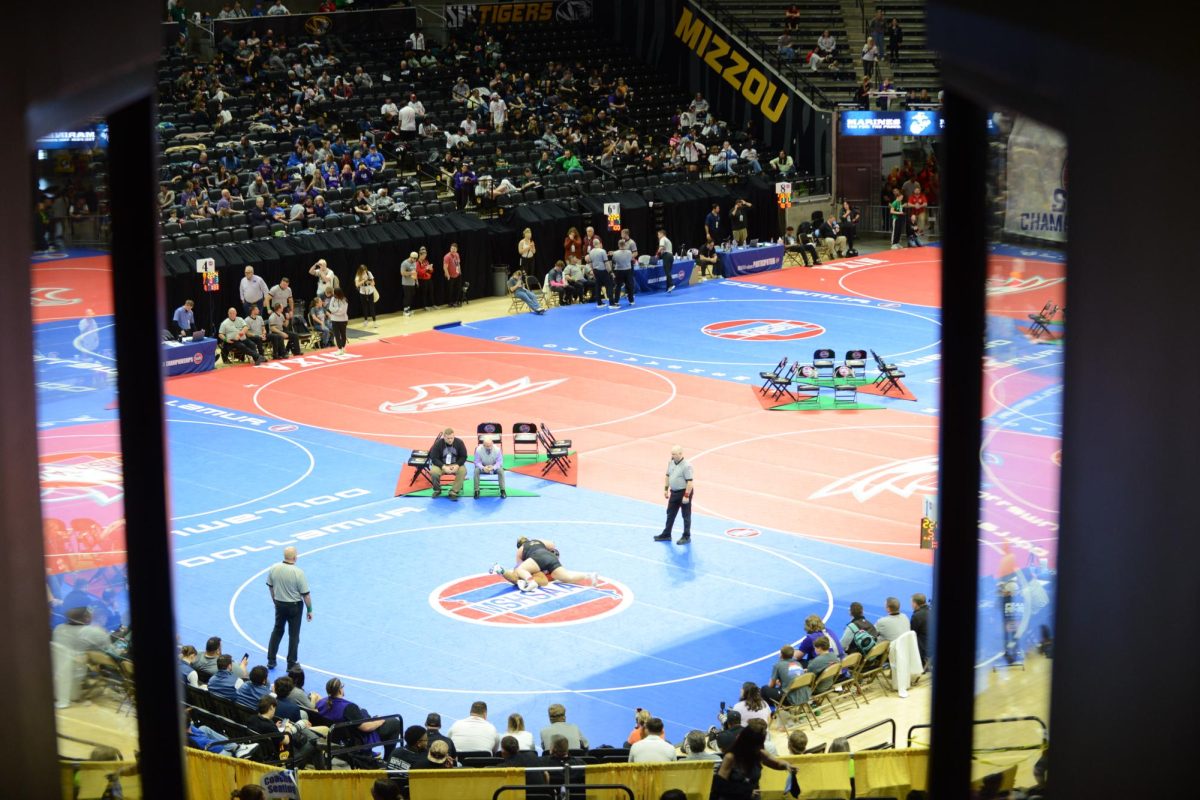
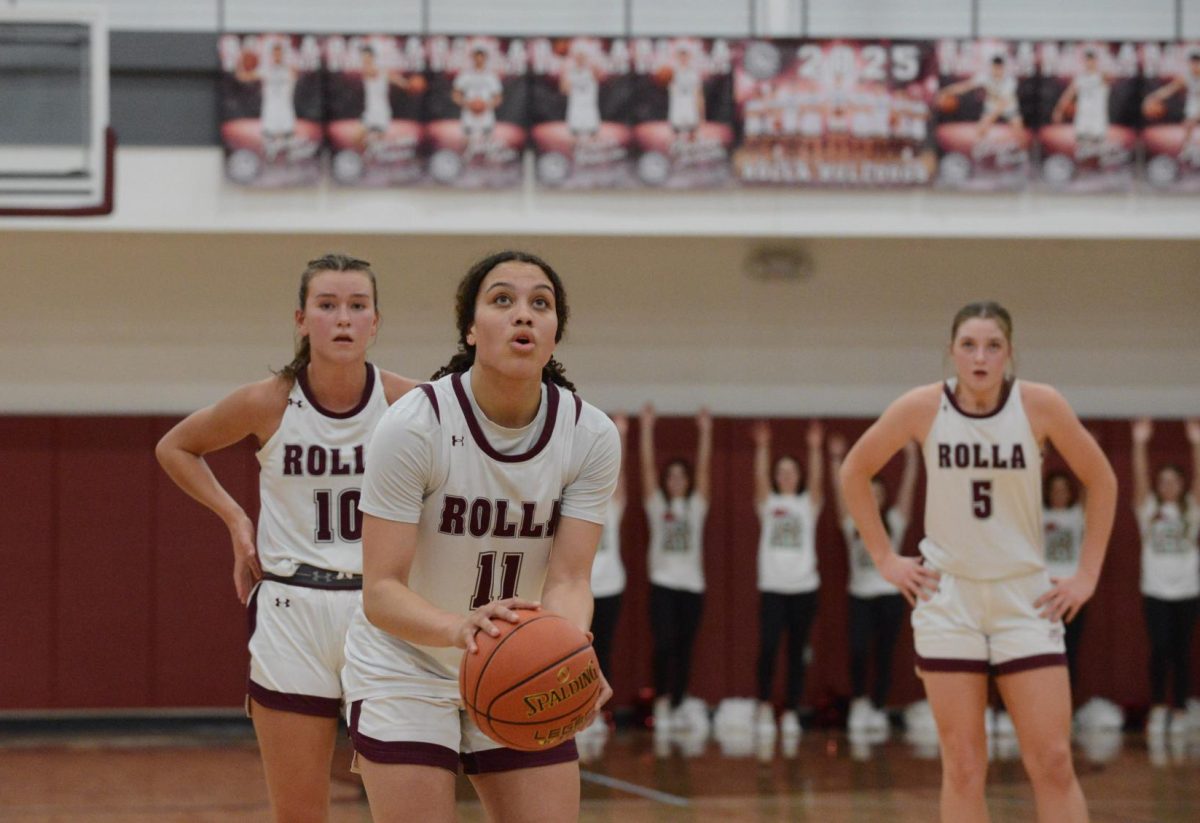
“I think we design the program so that every type of athlete is able to have an effective practice. And we also invite all types of students to participate, unlike basketball, which is mostly tall and shooters, and football, which is big and fast. But the track has tall and short, big and small, long distance and short distance, people who throw sticks and vaults from sticks. It’s just a really inclusive program,” Sneed said.
No matter who you are or what you like to do for fun, track and field is a really good option for physical fitness and activity, suitable for every different type of person across all categories. This sport is a really great way to make friends, get fit, and set the stage for your high school career and beyond. So don’t be afraid to step on that polyurethane because you might be surprised by what you learn.