

Taylor Swift, Chappell Roan, The Cure, Nirvana, Bad Bunny, Pantera; the music and bands you listen to can really shape who you are socially, aesthetically, or even politically. As social media steadily becomes an integral part of our culture, it acts as a megaphone for what used to be niche subcultures. Senior Gabbie Brown has been a part of what social media deems “alternative” culture for a while now.
“I have this weird mindset because, for the most part, the alternative subcultures have all the same political ideology. Politically, I’m very much in line. But musically, I listen to a whole bunch of different music, and I don’t really dress one way or another. Somedays I dress more grunge or more goth. I wouldn’t say I really aligned myself with one. I find myself the happiest when I don’t try to force labels,” Brown said.
Pushing labels on people, and microlabeling— the use of highly specific terms as a way to define or describe— has become a large problem, especially in subcultures and among people who don’t follow what is deemed “traditional.”
“It’s the problem with anything you see in the alternative culture. You see fairy grunge and stuff like that. Like, what is that? Or being an e-girl. Where do you actually stand?” Brown said.
The popularization of these alternative scenes, such as punk, emo, and goth, has severely washed down what these scenes once stood for.
“I think [washing down] is a very prevalent thing right now, but it is something that’s also happened a lot in history. If you look at what emo was originally, it started in the 80s with this band called Rites of Spring. Started off as a branch of hardcore, which is a branch of punk. They became this thing called Emotional Hardcore—essentially hardcore, but not as hard,” Brown said. “It was more about not just the anger, but all of the emotions, the sadness, melancholy, all of that. And then by the 2000s, the mainstream had gotten a hold of it. And you’ve got a bunch of watered-down emo bands like My Chemical Romance and Fall Out Boy. This isn’t like a thing that’s just now happening,”
Many of these alternative scenes are built on an entire way of life, from the way you dress to your personal beliefs.
“I can’t tell you how many times I see these videos online that are like, ‘Being goth is just about listening to the music and being into the politics,’ and then the politics are just very wishy-washy liberal. And then they’ll have people dressing in leggings and hoodies. You’re not goth if you dress that way, I’m sorry. You’re washing away the entire subculture. Where does gothic literature and things like that fit into it?” Brown said.
Sophomore Bryant Jones is also deeply immersed in these cultures, and dislikes the herd-mentality of following the most popular opinion.
“A fence-sitter is someone who has varying opinions but can never stick to one ideology. Like, ‘Oh, yeah, white supremacy is bad, but I’m not gonna do anything about it because it’s not hurting me.’ I think the internet’s made people a little too comfortable with being like that. If the internet wasn’t prominent or popular, I feel like it would be a lot more tame or hidden, but it’s just spread out and pushed to the wrong crowd,” Jones said.
With algorithms spreading videos to everyone of the same niche, the same opinion frequently becomes regurgated and overused across platforms.
“Bandwagoning is such an issue with the spreading of culture. If one culture gets the short end of the stick, everyone boos them. If the content you’re getting on your feed is just ‘everyone boo this,’ like, ‘insert-genre sucks here,’ right? People are weak-willed nowadays. They just are, and they’re probably gonna want to join in on that bandwagon. ‘So-and-so big influencer says this genre is bad, so I don’t think I like this genre either,’” Jones said.
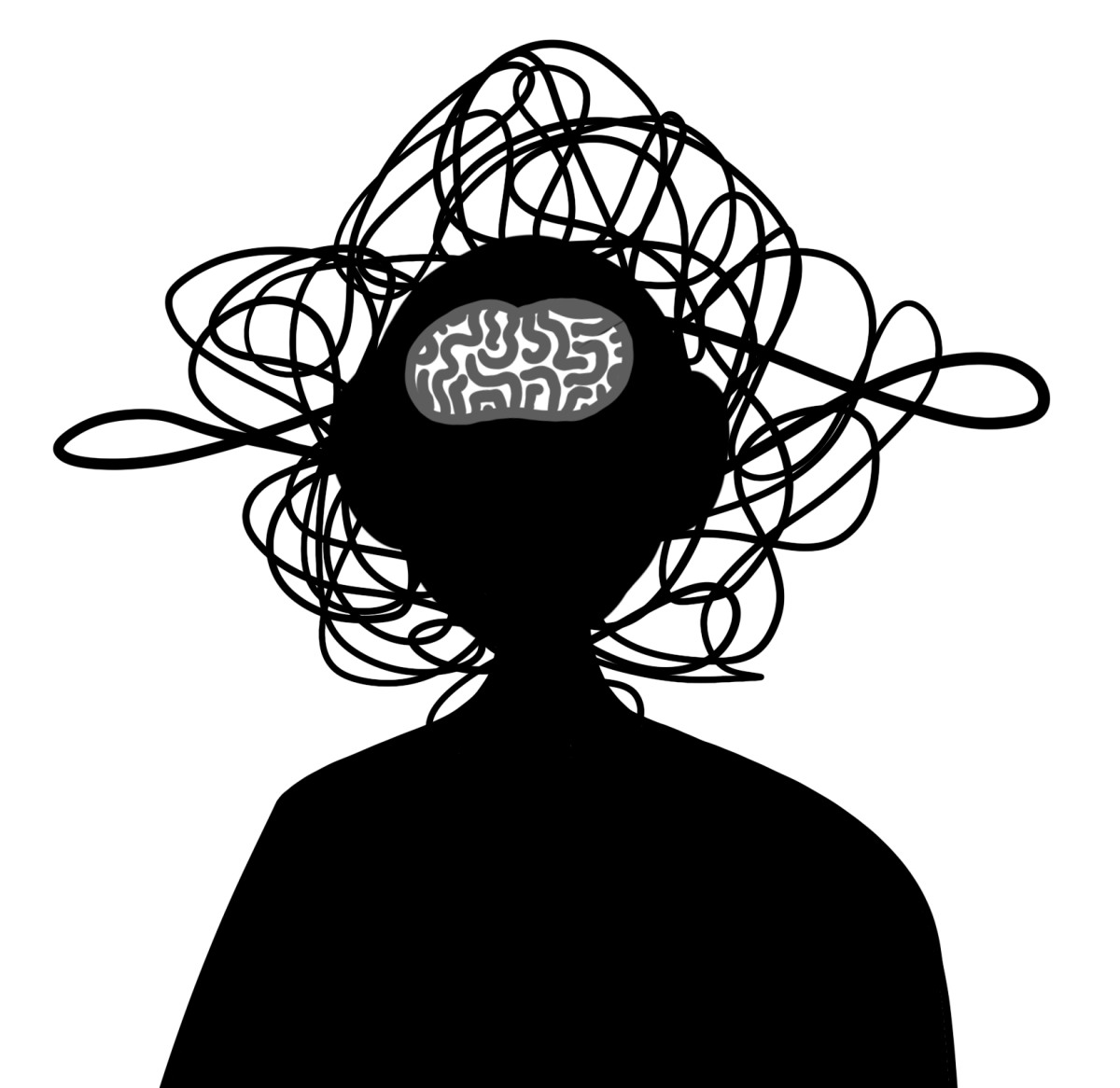
With a feed and algorithm so catered to what the user wants to see, one could fall under the false pretense of “this is how the world is,” when, in reality, it isn’t, and most people aren’t used to deviating from the societal norm.
“It is interesting that a lot of people are getting made fun of for [being alternative]. I guess it’s something that’s always happened, but it’s gotten weirdly sexualized recently. I can’t tell you the amount of times I’ve been barked at, yelled at from cars, been called the f-slur, or referred to as a goth b-word,” Brown said.
In the long run, there will always be a trade off between the acceptance of and washing-down of culture.
“I guess, at the end of the day, while this stuff is becoming more mainstream, we are forgetting the key components of these subcultures in favor of aesthetics,” Brown said.