

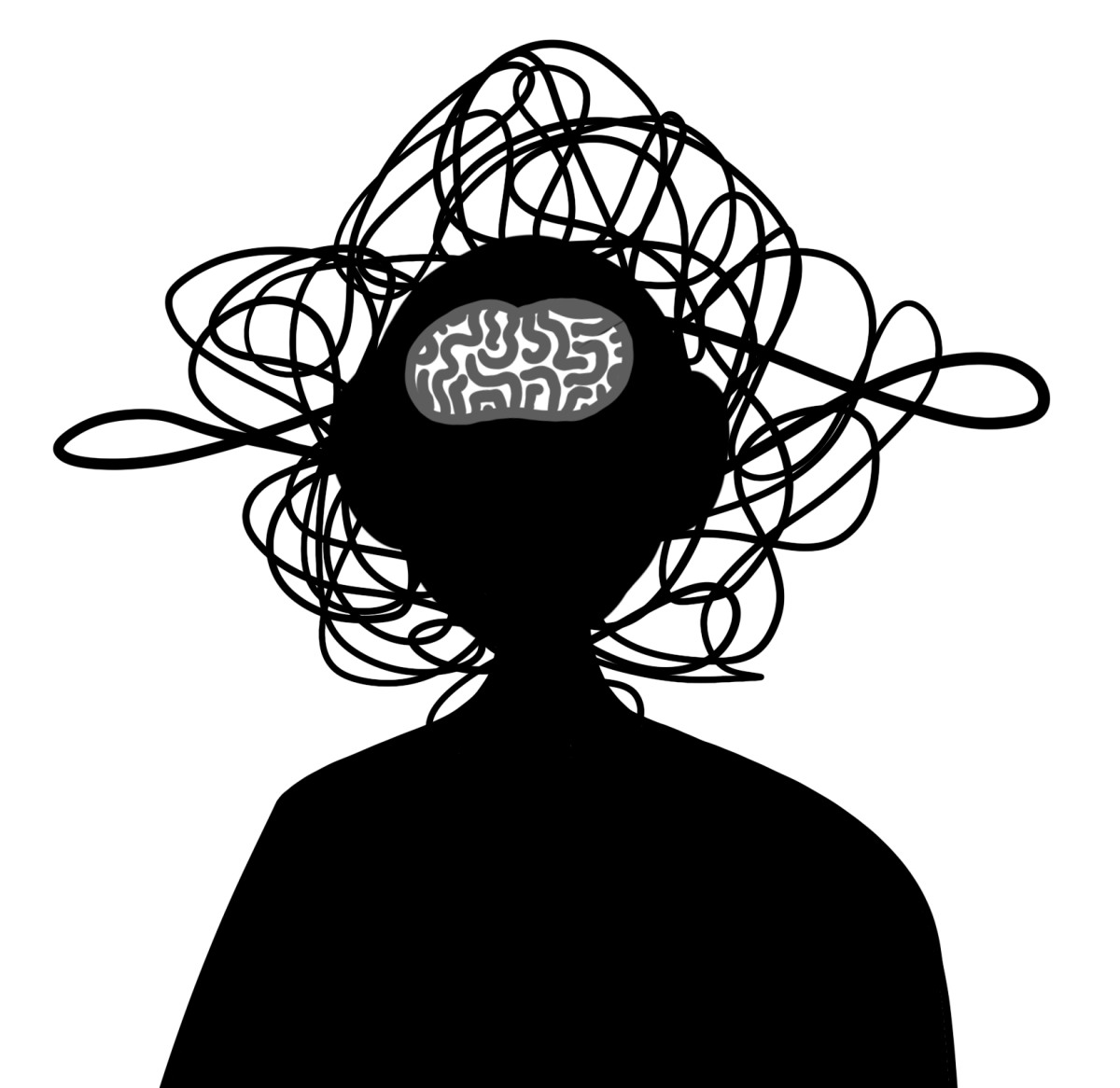
I don’t remember the last time I felt caught up with my homework or extracurriculars—only the last time I pretended to be. I keep telling myself I’ll rest when things slow down. But they haven’t. I’m starting to believe that they won’t. Burnout was never something I was warned against. I thought I was too much of an intrinsically motivated student to hit that wall. Yet I found myself in the same place where every high school student seems to end up at some point through their academic career: I felt burnt out.
As any writer does, I drew inspiration from my own distress, so I took to the halls to find out if others were feeling the same.
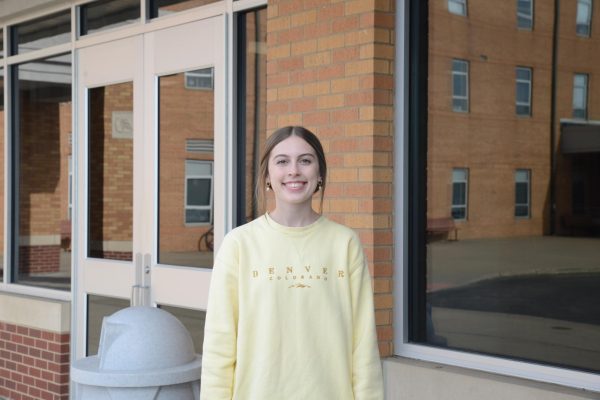
Acelynn Shepherd is a freshman at RHS who qualified for FBLA Nationals, DECA State, and Speech and Debate MSHAA State in her first year competing. Even though she’s at the beginning of her high school journey, the feeling of burnout is already creeping in.
“I would define burnout as being overwhelmed with too many tasks and not feeling motivated to do your responsibilities and tasks that you need to do,” Shepherd said.
As a senior, I feel like the more I do, the less I want to do. The more I’m involved, the less I want to be involved. With the end of high school drawing near, I feel more and more unmotivated to push myself to get things done. No one could’ve warned me how apathetic I would feel my last year of high school. The correlation between burnout and involvement seems to be high in Shepard’s life, too.
“Because I’m involved in so many things, I feel very overwhelmed. I want to quit everything and just take a break…[burnout] feels like you [always] have a weight on your back, and it feels like a chore instead of a privilege to do your tasks. You just want to stop showing up,” Shepherd said.
Burnout doesn’t occur from single-event stress, but rather prolonged physical or emotional exhaustion. Burnout is both an emotional feeling and a physical reaction to the extended stress your body is undergoing. Maria Polizzi, who is also part of the graduating senior class, reflects on the emotional toll of burnout.
“It feels draining. You just feel like you don’t have much energy left to give. You don’t have much focus left to give. And I think, for academically driven people like myself, that can translate into self-disappointment,” Polizzi said.
When you find yourself in the inevitable stage of exhaustion, regardless of your initial motivation or involvement, there are ways to dig yourself out. The hardest part about burnout is that it lingers: it never seems to end. So, to prevent and address the issue, you have to recognize it. You can’t pour from an empty cup.
“You can’t take on everything at once. You can’t be everything for everyone, because [then] you’d leave nothing left for yourself. And I struggle with that a lot. I spread myself very thin all the time, and I feel like there’s nothing left to give,” Polizzi said.
Burnout teaches us that motivation alone isn’t enough without rest and balance. Ignoring burnout is like ignoring a check engine light. Instead, it should be acknowledged and used as a turning point.
Burnout isn’t beneficial by design, but it can become useful if it leads to change rather than being ignored or pushed through. Throughout the year, my AP Psychology teacher, Amanda Engelke, has guided me through a few difficult seasons of burnout.
“Burnout comes from people being overextended, and there’s this sense of having way more to do than you’re able to accomplish, or that you have time to accomplish… There’s different seasons that we go through in life, and some of those seasons are more demanding than others. It can be really easy to overextend yourself,” Engelke said.
Engelke recently completed her Education Specialist program focused on Mental Health Practices in Schools. She has a valuable piece of advice for students who are starting to recognize early symptoms of burnout.
“One of the phrases that I’ve been taught, and I’m learning to implement is, ‘What is your best yes right now?’ There are many good causes and interesting activities to throw myself into, but I can’t do them all at once, especially if I want to sustain a high standard of completion and take care of myself. Learning to prioritize and choose your ‘best yeses’ in this season can help you build resilience and avoid experiencing burnout,” Engelke said.
For me, finding the next “best yes” has been elusive in seasons throughout high school, and it’s no different now. Priorities get muddy, and I recognize that there is no quick-fix for burnout. Looking back, my freshman self crumbled under the pressure, but at least now I can pinpoint where my exhaustion originates.
I clearly haven’t fully solved my personal issues with burnout. But I can say, if you find yourself relating to this article, ask yourself this one question: how do you eat an elephant? The correct answer is one bite at a time. Whether you’re a freshman or a graduating senior, focus on one priority before you move on to the next. And always remember, it’s a great day to be a bulldog.